
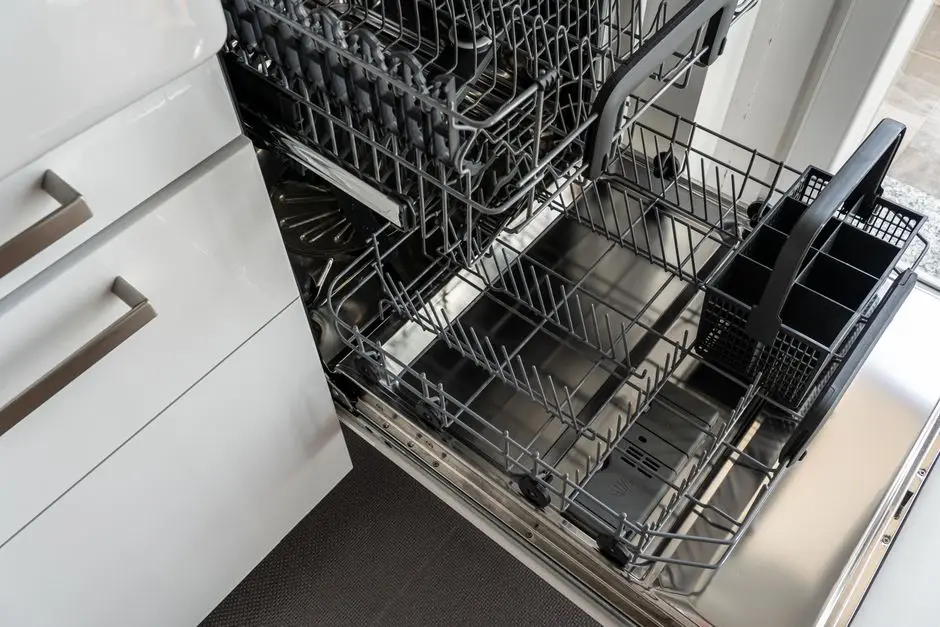
Your dishwasher not draining is almost always caused by a clogged filter, a blocked drain hose, a failed drain pump, or a stuck check valve - and the fix ranges from a five-minute filter cleaning to a $180-$320 pump replacement. Standing water at the bottom of the tub means the machine can't push wastewater out, so it stops mid-cycle or leaves everything soaking wet. Below, local providers walk through the exact causes they see in Palm Coast homes, the steps you can safely try yourself, and when it's time to call a pro.
The Most Common Reasons a Dishwasher Won't Drain
Dishwasher drain problems fall into two buckets: something is blocking the water's path out, or the part that moves the water has failed. In the provider's experience, about 70% of no-drain calls are blockages - food debris, grease, or a kinked hose - and the rest are mechanical or electrical failures.
Here's what local providers find most often, roughly in order of frequency:
- Clogged filter and sump area. Food particles, broken glass, and grease build up around the filter basket and stop water from reaching the pump intake.
- Blocked or kinked drain hose. The corrugated hose that runs from the pump to the sink drain or disposal can crimp behind the unit or clog with grease and sludge.
- Failed drain pump. The pump motor burns out or the impeller breaks, so water sits in the tub.
- Stuck check valve. A small flapper that stops backflow can jam open or closed with debris.
- Clogged air gap or disposal knockout plug. If a new disposal was installed and the plug wasn't removed, the dishwasher has nowhere to drain.
- Control board or float switch issue. Less common, but a faulty float switch can tell the machine the tub is empty when it isn't.
If you're seeing water at the bottom but the dishes are still getting clean, the blockage is usually partial. If the cycle stops completely and the tub fills with dirty water, the pump or a major clog is the likely culprit.
Why Is My Dishwasher Not Draining in Palm Coast FL?
In Palm Coast, the two biggest drivers of dishwasher drain problems are hard water and the age of the housing stock - many homes in Palm Coast were built between the 1980s and early 2000s, and their original drain lines and disposal setups are showing wear.
Palm Coast's water supply comes from the Floridan aquifer and runs moderately hard, typically in the 7-10 grains-per-gallon range. That mineral content leaves calcium and magnesium deposits inside the drain hose and around the pump impeller, narrowing the passage over time. Local providers see hoses that are nearly closed off with scale after eight to ten years.
Homes in neighborhoods like Palm Harbor and Indian Trails often have original kitchen plumbing where the dishwasher drains into a garbage disposal. If that disposal was replaced and the knockout plug wasn't removed, the dishwasher will never drain - a mistake local providers correct several times a year. Older homes in the C-section near the Intracoastal sometimes have cast-iron drain lines that scale and slow down, which affects the dishwasher's ability to discharge.
Seasonally, local providers get a spike in drain calls from November through February, when snowbirds return and run appliances that sat unused for months. A dry pump seal or a hose full of stagnant water can fail on the first cycle. If you need Dishwasher Repair Palm Coast FL, the provider's team handles drain issues, pump replacements, and full diagnostics.
How to Fix a Dishwasher Not Draining: Step-by-Step
Before you call anyone, run through these steps in order. Most are safe for a homeowner and take under 30 minutes total. If you get to step 5 and the water still won't budge, it's time for professional Appliance Repair Palm Coast FL.
1. Remove standing water and check the filter
Use a cup or sponge to bail out the water so you can see the bottom of the tub. Twist out the filter basket (most models have a quarter-turn release) and rinse it under the tap. Check the sump area underneath for food debris, broken glass, or a bottle cap. This alone fixes a surprising number of calls.
2. Inspect the drain hose for kinks or clogs
Pull the dishwasher out slightly if you can, or look behind it with a flashlight. The drain hose should loop up under the sink before going to the disposal or drain tailpiece. A sharp kink or a hose that's crushed against the cabinet wall will stop flow. Disconnect the hose at the sink end and check for grease buildup - if it's coated, replace it.
3. Check the air gap and disposal connection
If you have an air gap on the sink deck, remove the cap and clear any debris. If the dishwasher drains into a garbage disposal, make sure the knockout plug was removed when the disposal was installed. Run the disposal for 10 seconds to clear its trap, then try the dishwasher again.
4. Test the drain pump and check valve
With the power off, you can sometimes hear or feel whether the pump impeller spins freely. A pump that hums but doesn't move water is usually jammed with debris or has a broken impeller. The check valve - a small rubber flapper near the pump - can be removed and cleaned. If it's stiff or torn, replace it.
5. Reset the control and test
Turn the breaker off for two minutes, then back on, and run a rinse-only cycle. If the tub fills but won't empty, the pump or control board is the issue. That's the point where most homeowners should stop and call the provider.
Common Mistakes to Avoid
The most expensive mistake local providers see is homeowners pouring chemical drain cleaner into the dishwasher. Those products are designed for sink drains, not appliance pumps - they can melt the pump seals and leave you with a $250 repair instead of a $90 cleaning.
Other missteps:
- Forcing the cycle to restart repeatedly. If the pump is jammed, running it over and over can burn out the motor.
- Ignoring a slow drain. A dishwasher that drains slowly but still finishes is telling you a clog is forming. Fix it before it becomes standing water.
- Using too much detergent or the wrong type. Excess suds can trip the float switch and make the machine think it's full when it isn't.
- Pulling the unit out without shutting off the water and power. Always kill the breaker and close the supply valve first.
If you've already tried the basics and the water is still there, don't keep guessing. A proper diagnosis takes about 20 minutes with a multimeter and a hose inspection.
How Much Does Dishwasher Drain Repair Cost in Palm Coast FL?
Typical 2026 pricing in the Palm Coast area runs $95-$150 for a diagnostic and drain cleaning, $180-$320 for a drain pump replacement, and $120-$200 for a drain hose replacement. Control board repairs, when needed, run $250-$400 depending on the brand.
Those numbers include the part and labor for most major brands - Whirlpool, GE, Samsung, LG, Bosch, and KitchenAid. High-end brands like Thermador or Wolf can run higher because parts cost more.
For context, a new dishwasher installed runs $650-$1,200 in this market, so a $200 pump repair is almost always the better call unless the unit is over 12 years old and has other issues. If you're weighing repair versus replacement, the Appliance Installation Palm Coast FL team can help you decide and handle the swap if that's the right move.
When to Call a Professional
Call a professional when you've cleaned the filter and checked the hose, and the water still won't drain. That points to a pump, check valve, or control issue that needs a meter and a parts source. Local providers also recommend calling them if you see water leaking under the unit, smell burning plastic, or the breaker trips when the dishwasher starts.
The provider's technicians carry common drain pumps and hoses on the truck, so most drain repairs are done in one visit. Local providers serve homeowners across Palm Coast, including the neighborhoods along Palm Coast Parkway and near Town Center, and they'll tell you honestly if a repair isn't worth the money. For after-hours emergencies, local providers also offer Emergency Appliance Repair Palm Coast FL.
Frequently Asked Questions
Why is my dishwasher not draining in Palm Coast FL?
The most common cause in Palm Coast is a clogged filter or drain hose, made worse by the area's moderately hard water. Scale and grease narrow the hose over time. A failed drain pump is the second most common cause, especially in units over eight years old.
How do I unclog my dishwasher drain in Palm Coast?
Start by bailing out standing water, then remove and rinse the filter basket. Check the drain hose behind the unit for kinks, and clear the air gap or disposal connection. If water still won't move, the clog is past the hose and needs a professional to clear the pump or check valve.
Does a dishwasher not draining need repair in Palm Coast Florida?
Not always - a clogged filter or kinked hose can be fixed without a repair visit. But if the pump hums without moving water, or the tub fills and won't empty after basic cleaning, you need a repair. Most drain repairs in Palm Coast run $95-$320 depending on the part.
Who repairs dishwashers not draining in Palm Coast?
Elite Appliance Repair is a free referral service. Call (833) 339-2709 and we will connect you with an independent local provider for dishwashers not draining repair in Palm Coast. Ask the provider about timing, pricing, and warranty terms before work starts.
Can I use my dishwasher with standing water in it?
No. Running a cycle with standing water can overflow the tub, damage the pump, and leak onto your floor. Bail out the water and fix the drain before running another cycle.
Get Help with Appliance Repair in Palm Coast
Standing water in your dishwasher is a problem local providers fix in Palm Coast, and most drain repairs are done in a single visit. Call Elite Appliance Repair Palm Coast at (833) 339-2709 and local providers will get your dishwasher draining - and your kitchen back to normal - today.